Kling 2.1: cinematic AI video, without a shoot
Turn a script or a single photo into camera-controlled motion with Kling 2.1, at up to 1080p, from $6.99 a month.
What Kling 2.1 actually does well
Four production teams and three solo creators later, these are the capabilities that hold up outside a demo reel.
Image-to-video that holds
Upload one still frame and Kling 2.1 animates it into a moving clip without warping the subject or the background. It is the model's strongest capability.
Camera control, not luck
Set pan, tilt, dolly, and zoom directly on the render instead of re-rolling a text prompt ten times hoping for the right framing.
Native sound on Master
The Master tier renders synchronized sound effects with the clip, so there is one less audio pass to do in your edit.
1080p on Pro and Master
Standard tops out at 720p. Pro and Master render 1080p, ready to cut into a broadcast or social timeline as is.
Five to ten second clips
Each render lands in the 5 to 10 second range, enough for B-roll inserts, product cutaways, or a social hook shot.
A free tier worth testing on
66 credits refresh daily on the free plan, enough to test motion quality on your own footage before paying for Standard or Pro.
Kling 2.1 in four numbers
From one still photo to a moving shot
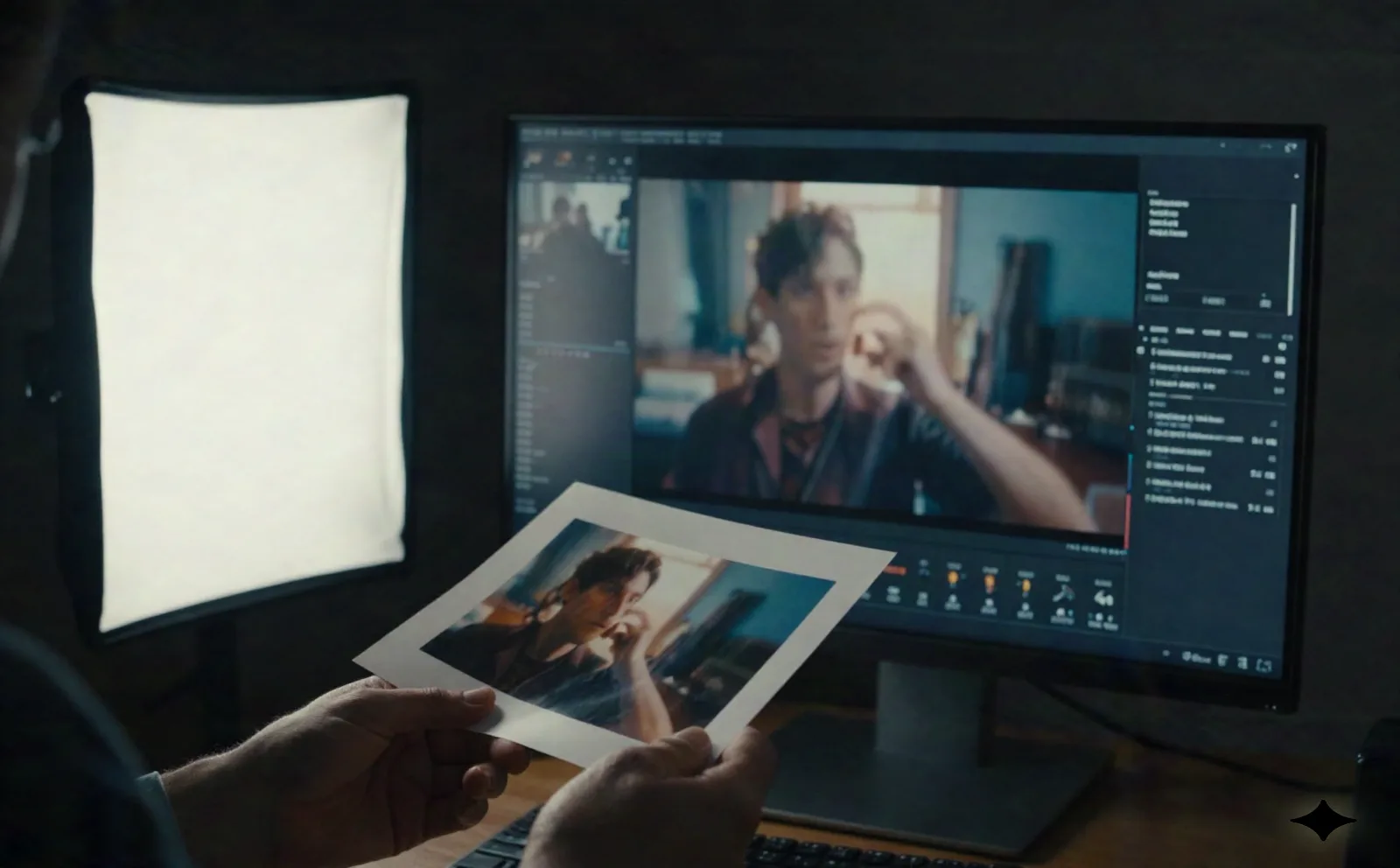
Most AI video tools ask for a detailed prompt and hope the result matches what you had in mind. Kling 2.1 leans on image-to-video instead: give it a still, a product photo, a portrait, a location shot, and it animates the motion around what is already in frame. Camera controls sit on top of that. Set pan, tilt, dolly, or zoom manually, so the shot moves the way you would frame it on a gimbal, not the way the model happens to guess.
- Upload a still frame instead of writing a paragraph-long prompt
- Set camera movement manually: pan, tilt, dolly, zoom
- Render 5 to 10 second clips at up to 1080p
- Add synchronized sound on the Master tier
Kling 2.1 vs Sora 2 vs Veo 3.1
Three ways to solve the same job: turning a prompt or a photo into a usable clip.
| Criteria | Kling 2.1 | Sora 2 | Veo 3.1 |
|---|---|---|---|
| Starting price | $6.99/mo | Usage-based, no flat commercial free plan | Usage-based via Gemini or Vertex |
| Max resolution | 1080p (Pro/Master) | 1080p | 1080p, cinema color science |
| Strongest at | Camera control, image-to-video fidelity | Physics-based motion realism | Prompt adherence, native audio |
| Native audio | Master tier only | No | Yes, by default |
| Best for | Creators producing volume, B-roll, product shots | Concept work needing physical accuracy | Long, descriptive prompts read faithfully |
Kling 2.1 pricing
Three tiers, scaled by resolution, credits, and render priority.
Free
for testing motion quality
- 66 credits refreshed daily
- 720p output, 5 second clips
- Watermarked, non-commercial use
Standard
for regular creators
- About 660 credits per month
- 1080p output
- Commercial usage rights
- 20% monthly credit rollover
Pro
for teams producing at volume
- Higher monthly credit allocation
- Priority render queue
- Access to the Master tier and native audio
- 1080p, longer render batches
Kling 2.1, answered
What is Kling 2.1?
Is Kling 2.1 free to use?
How long can a Kling 2.1 clip be?
Does Kling 2.1 generate sound?
How does Kling 2.1 compare to Sora 2 and Veo 3.1?
Can I animate a single photo with Kling 2.1?
Is Kling 2.1 good for commercial content?
Test Kling 2.1 on your own footage
Start on the free tier, then move to Standard or Pro once the motion quality holds for your use case.