What Is a UGC Creator? The 2026 AI-Era Production Guide
Summary
A UGC creator is a professional who produces authentic-looking short-form content for brands: product demos, unboxings, and testimonial clips designed for paid social and landing pages. Unlike influencers, they are paid for the content itself, not their follower count. In 2026, the market tops $8.48 billion. AI avatar tools are now letting creators multiply output, scale to more brands, and go fully faceless without filming every clip individually.
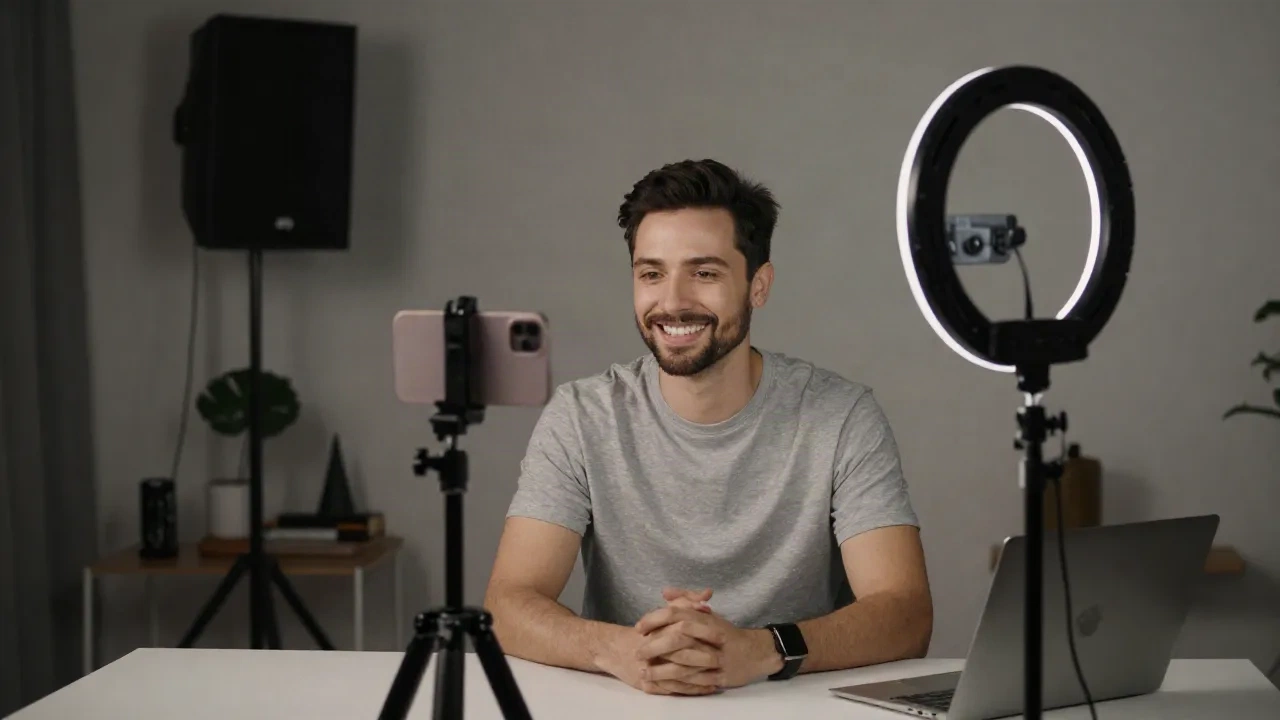
What is a UGC creator? A UGC creator is a professional content producer paid to make authentic-looking short-form clips for brands. No follower count required. No audience to build. The deliverable is a finished video asset that brands run on their own paid channels, landing pages, or social accounts.
The term started as user-generated content: organic posts from real customers. What it means today is a paid freelance role. The content still looks like something a real customer made, but it is planned, scripted, and delivered like professional work.
The global UGC platform market hit $7.6 billion in 2025 and is projected at $8.48 billion in 2026. The demand is structural, not a moment.
What a UGC Creator Actually Does
The job is to produce short-form video assets that a brand runs across paid social (Meta, TikTok, YouTube Shorts), product pages, and email sequences. The most requested formats in 2026:
Product demo: a 15 to 30 second clip showing the product in use, first-person delivery
Unboxing: honest reaction to receiving and opening the product
Testimonial or problem-solution format: three seconds of friction, then the fix
B-roll cutaways: hands, product close-ups, lifestyle context
The shooting style is deliberately lo-fi. Brands want content that looks native to TikTok or Instagram Reels -- filmed on a phone, natural light preferred, unscripted in tone even when scripted in reality. Polished studio work kills the effect. The creator delivers raw files or a finished edit. The brand owns the rights on delivery.
Why Brands Pay For It: The Conversion Math
Traditional advertising looks like advertising. UGC does not. That gap is the whole business case.
Consumer trust figures are stark. More than 79% of consumers report trusting UGC more than polished brand ads. Engagement is measurably higher: UGC-style creative drives 4x the click-through rate of traditional formats across paid social. Purchase intent doubles when authentic creator content is in the mix.
For brands running performance marketing, this translates directly to lower cost per acquisition. A clip that blends into the feed outperforms one that announces itself as an ad, even when both are paid placements.
The split smart brand teams run in 2026: influencers at the top of the funnel (awareness, new audiences), UGC creators at the bottom (conversion, retargeting, product pages). Not competing roles. Different jobs in the same pipeline.

What a UGC Creator Earns in 2026: The Real Rate Card
Follower count sets influencer rates. UGC rates are set by content quality and conversion track record. A creator with zero followers can charge the same as one with 50,000 subscribers if the creative performs.
The current market range based on active platform data:
Beginner (0 to 6 months): $50 to $150 per clip
Intermediate (6 to 18 months): $150 to $400 per clip
Experienced, with conversion data: $400 to $1,500+ per clip
Tech and SaaS verticals: $163 to $270 per clip
The unlock is pairing your rate card with performance evidence. If you have data showing your creative drove a $0.32 cost-per-click or a 6% conversion rate on a product page, that number is worth more to a performance marketer than 100,000 followers.
Platforms like Billo, TRIBE, and Insense mediate the connection between brands and creators at scale. TikTok Shop's creator affiliate program accounts for 45.3% of all UGC platform requests in 2026, followed by Instagram at 30.4%.
The Formats That Actually Book Clients
Not all UGC formats convert equally. The ones brands consistently commission in 2026:
Hook-first testimonials. Three seconds that stop the scroll. Problem stated immediately. Resolution implied. The hook does 80% of the work. The rest of the clip justifies the watch.
Demo with obstacle. Show the friction, then the fix. "I tried five skincare products before finding this one" outperforms "This skincare product is amazing" every time. The obstacle creates identification.
Faceless or voice-led content. No face on screen, narration over product b-roll, hands-only visuals. Lower production friction, scalable to multiple verticals, and increasingly viable through AI voiceover pipelines.
Before/after transitions. Short, visual, works in silence. Strong performance in beauty, fitness, home, and food categories.
The skip: generic lifestyle b-roll with a logo overlay. Brands get that from stock footage. They pay UGC creators for the specificity and the first-person delivery that stock cannot replicate.
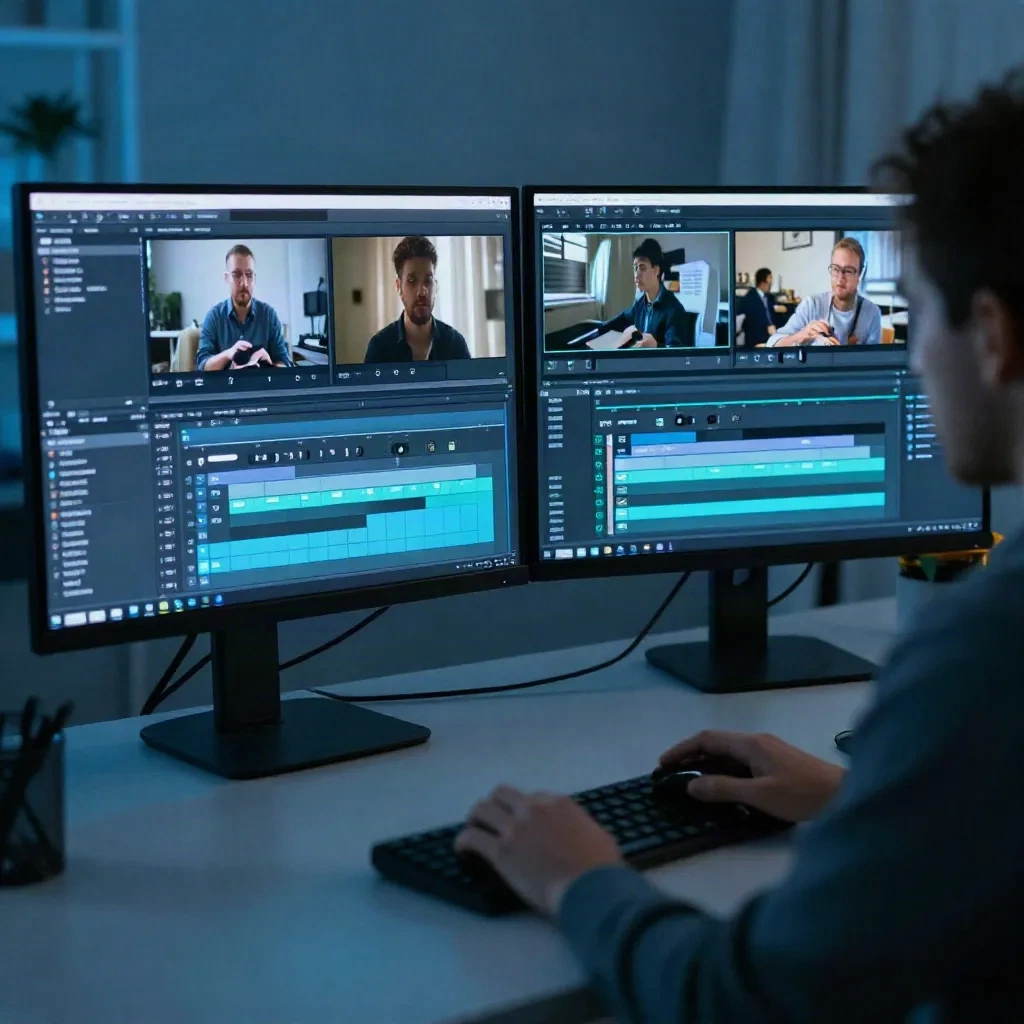
UGC and AI: What Changes When the Avatar Does the Talking
The faceless format is accelerating because AI avatar tools now make it production-viable at scale.
A UGC creator using an AI avatar pipeline -- writing the script, generating a talking-head video, directing the delivery -- can produce 10 clips in the time that single on-camera shooting takes. The creator moves from talent to director. The avatar handles the on-screen delivery. The script is there. The avatar does the rest.
This is not the same as influencer content, where the personality is the point. For conversion-focused UGC, the narrative, the hook, and the product claim are what matter. An avatar that delivers those clearly, in the brand's briefed tone, is a viable production asset.
What this changes for the creator:
Production velocity increases without physical filming sessions
Multilingual versioning becomes a workflow step, not a separate shoot
The creator's edge shifts to script quality and briefing precision, not camera presence
Where AI does not replace real talent: content where the creator's face is the specific trust signal (beauty, fitness, health), authentic reaction formats where the unscripted response is the whole point, and any campaign running on the creator's own channel.
The honest picture: AI avatar UGC is a production accelerator for creators who are already strong on concept and script. It does not replace creative judgment. The brief still has to be right.
Starting from Zero: What You Actually Need
The question "do I need a following?" has a clean answer: no. What you need is a portfolio of three to five strong clips, a way to show them, and a pitch specific to the brand you are approaching.
The portfolio minimum viable set:
Film clips using products you already own or can buy locally
Focus on one to three formats you execute well: demo, testimonial, or b-roll heavy
Shoot in consistent, clean conditions -- a well-lit corner is enough to start
Include at least one hook-first video that stops in the first three seconds
Build a simple portfolio PDF or Notion page. Brands receive dozens of pitches weekly. The ones that land are specific: reference a recent campaign from the brand, name the format you would produce for them, and show a sample that is close to their aesthetic. Generic pitches are deleted.
The outreach routes in 2026:
UGC platforms (Billo, TRIBE, Insense, Ramdam): brand marketplaces where brands post briefs and creators apply directly
Direct brand outreach: email or direct message to the marketing team or social media manager
Creator agencies: represent you and pitch brands on your behalf, in exchange for a commission
TikTok Creator Marketplace and Meta's Creator Marketplace: platform-native discovery tools
The fastest path to first paid work is a UGC platform with an active brief. The fastest path to high-value recurring work is a direct relationship with one brand that has ongoing content needs.
Where the Model Breaks: Three Honest Limits
Three patterns that erode revenue for creators who built on strong early results:
Commoditization pressure. As the market matures, brands with in-house teams produce adequate UGC at lower cost. Creators who hold rates are the ones whose content consistently converts and have the data to prove it. Output without attribution is a weak negotiating position.
Brief drift. Some brands issue briefs so prescriptive they eliminate the authenticity that makes UGC effective in the first place. Content scripted entirely by the marketing team, with no room for the creator's own voice, performs like a polished ad -- because that is what it is.
AI saturation of the generic tier. The mid-range of UGC production -- generic product demos, unboxings with no differentiated hook -- is being commoditized by AI tools that brands are now running internally. The creators who remain difficult to replace are those with a distinct point of view, a niche vertical where they are credible, or a track record that shows up in conversion numbers.
The position that holds: strong script instincts, a niche where you are genuinely credible (skincare, fitness tech, software tools, food), and the habit of asking what the clip is meant to do before you film it.
The Question to Answer Before You Film Anything
What is the performance outcome this clip needs to drive?
Not "does it look authentic?" -- that is table stakes. Not "does it match the brief?" -- that is the minimum. The question is what happens after someone watches it. A landing page conversion. A scroll-stop on a retargeting ad. A product page add-to-cart.
UGC creators who ask this question upfront, structure their hooks and narratives accordingly, and iterate on what the data shows are the ones building stable client rosters as the market matures. The tools have never been more accessible. Production scale, no studio required. The gap is always the brief.