What Does UGC Mean? Video Creator's Complete Guide (2026)
Summary
UGC means user-generated content. In 2026, the term covers two things: organic content customers post on their own, and paid briefs where creators produce brand-controlled assets styled to look genuine. Video is the dominant format. Brands pay $50-500 per clip. AI avatar tools are entering this space, letting teams scale UGC-style clips across languages without sourcing a new creator for every market.
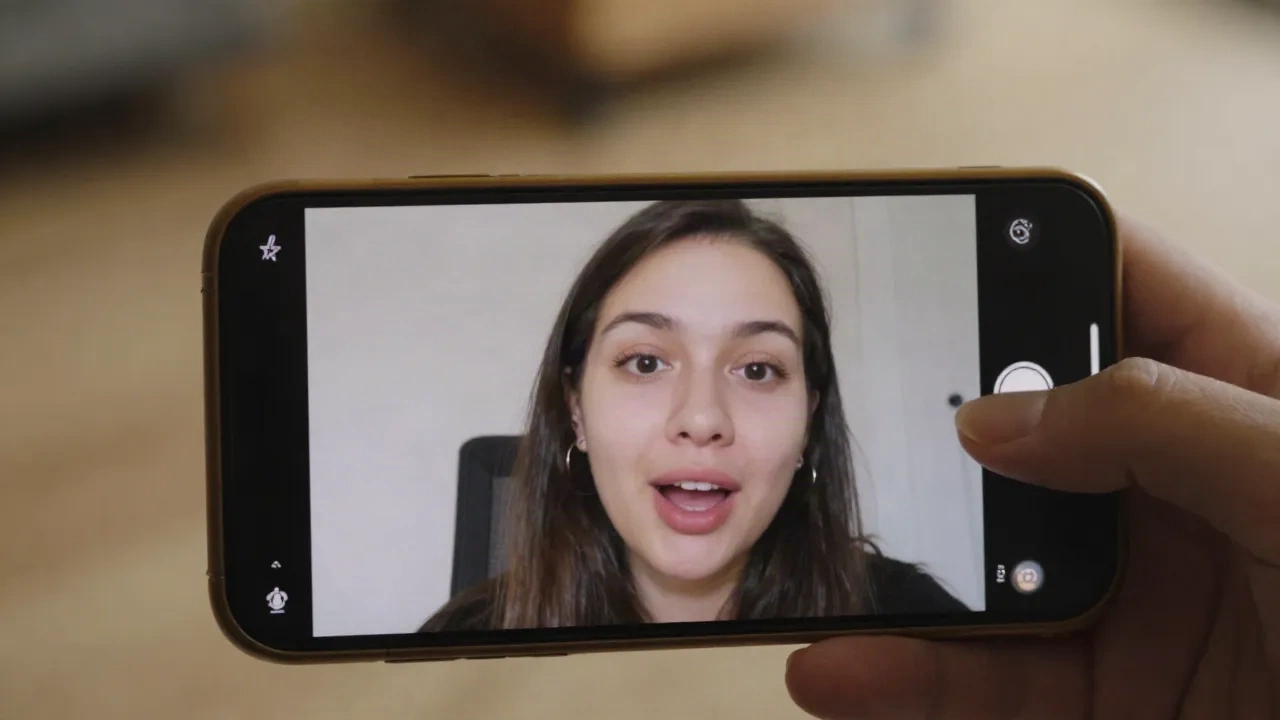
What does UGC mean? UGC stands for user-generated content: any content made by real customers or creators rather than the brand. In 2026, that short definition covers two very different things in video marketing, and mixing them up costs brands time and budget.
The original meaning: content customers create and post on their own, without being paid. A review on Amazon, a tagged photo on Instagram, a TikTok where someone genuinely showed off a product they bought. That definition still holds. But in video marketing, "UGC" now also describes a paid creator format designed to look exactly like that organic content.
I had a brief from a SaaS client last month: "we need 20 UGC clips for paid social, 6 languages, 3 weeks." The first question their marketing lead asked me was: "does UGC mean we need real customers, or can we hire someone?" That question tells you exactly where the industry stands right now.
Understanding the difference matters before you brief a creator or build a production pipeline.
Understanding the difference matters before you brief a creator or build a production pipeline.
The Two Types of UGC Running in Parallel
Organic UGC is content your customers or fans create without being paid. A subscriber posts a YouTube vlog mentioning your app. A buyer tags you in an unboxing. A community member shares a before-and-after using your tool. You can repurpose this with permission, but you do not control when it happens or what it says.
Paid UGC is a commission. A brand hires a creator to produce a video asset that looks and sounds like an authentic customer experience. The creator delivers a file. The brand runs it as an ad or posts it on owned channels. This is now a mainstream creator income stream, and the briefs are precise: 45-second talking-head clip, product held in frame, no branded overlays, filmed on phone.
The distinction is not academic. According to EnTribe's consumer research, 82% of consumers would be more likely to purchase from brands using UGC. The trust effect holds whether the content was paid for or not, as long as it reads as genuine.
Why the Raw Aesthetic Is a Deliberate Choice
The visual language of UGC is specific: handheld framing, natural window light, visible background detail, no motion graphics. That look is not a budget constraint. It is a creative brief.
Platform algorithms in 2026 penalize over-produced content in social feeds. A 30-second clip with color grading, lower thirds, and a licensed soundtrack gets flagged as an ad at the auction level and costs more to serve. A clip that looks like it was filmed in someone's kitchen competes on the organic side of the feed even when it is paid placement.
This is the UGC paradox: high production quality is a liability in some formats. Brands need to look like they did not try too hard.
The Four Formats Brands Actually Commission
I have worked on about 40 UGC briefs in the past 18 months. They cluster into four formats.
Talking-head review. Creator speaks directly to camera about the product. 30-60 seconds. Problem-solution structure. First-person. No script visible. This is the format with the highest volume of paid work.
Unboxing. Camera pointed at hands opening a package. Genuine-sounding reaction to the contents. Works for physical products, not SaaS.
Tutorial or how-to. Screen recording or hands-on walkthrough. Useful for apps, tools, and anything with a learning curve.
Vlog insert. A 15-30 second mention embedded in lifestyle footage. "I have been using this for my training workflow lately," framed inside a day-in-the-life clip.
Payment ranges from $50 to $500 per clip for individual creators. Platforms like Arcads and Creatify have industrialized this: brands brief multiple creators, collect a batch of assets, then test them in paid media rotation.
UGC Creator vs. Influencer: The Structural Difference
A UGC creator in 2026 is not an influencer. The distinction is structural: an influencer is paid for access to their audience. A UGC creator is paid for a file. The brand does the distribution.
You do not need 50,000 followers to earn paid UGC income. You need to look credible on camera and hit a brief.
This shift opened the format to a much wider creator pool. Creators who were not built for growth metrics, who had small but engaged followings, or who preferred to work behind the scenes now have a production income stream that does not require audience building.
The rate card roughly holds at: $50-150 per clip at starter volume, $200-500 for experienced creators with strong on-camera delivery, $500 or more if you bring niche authority (a fitness coach reviewing a supplement brand, for example).
Research aggregated by Backlinko shows 79% of consumers say UGC influences their purchasing decisions, and 6 in 10 view it as the most authentic form of marketing content. Those numbers explain why brands are allocating more ad budget to UGC assets than to polished brand films.
AI Avatars and the Next Layer of UGC Production
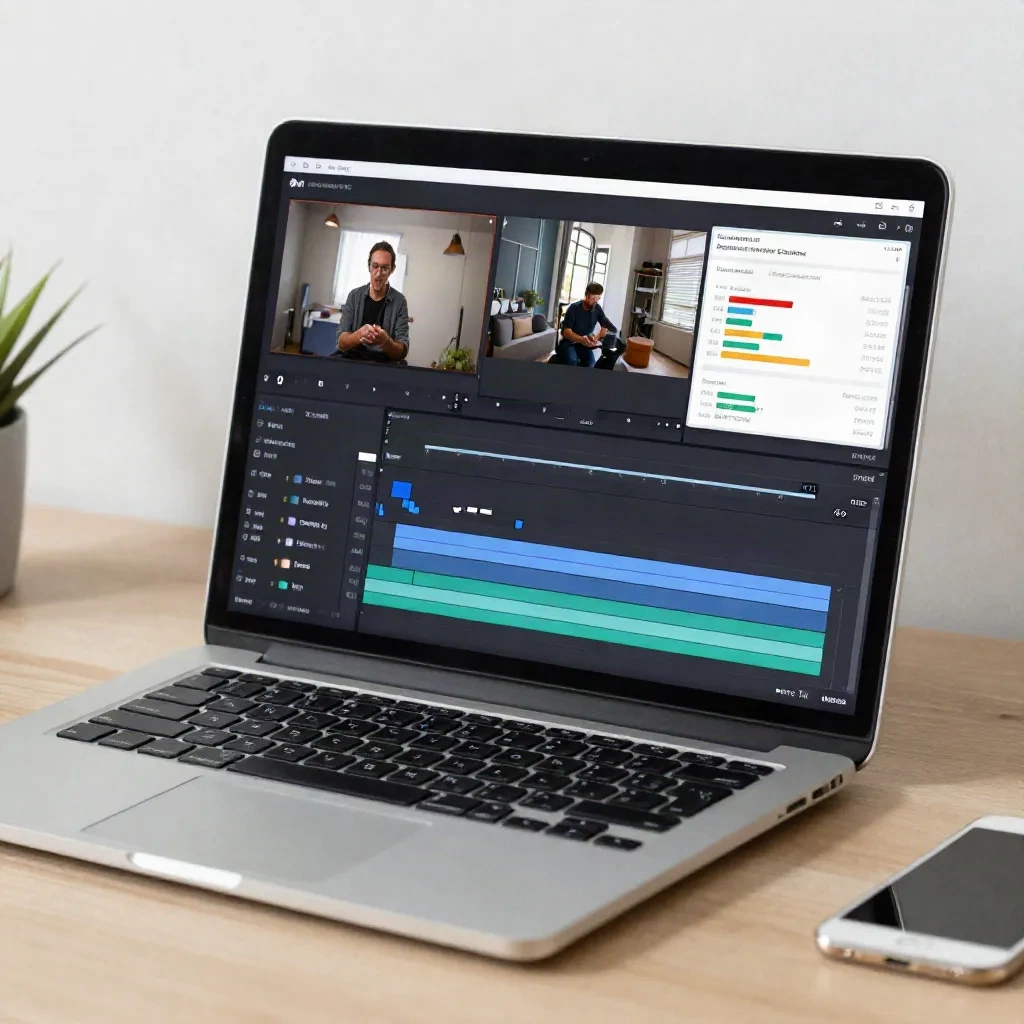
Here is the angle that was not on anyone's radar two years ago: AI-generated talking-head clips are entering the UGC brief.
I ran a production test for a client in Q1 2026. They needed 12 clips across English, French, German, and Spanish. Option A: hire four creators per language, brief them, collect and QA 48 files. Option B: film one English session with an on-camera contractor, build an avatar, render 12 scripts in four languages in one afternoon.
Option B took six hours total. Option A took three weeks and cost four times more.
The output of Option B does not look like traditional UGC. The avatar is too consistent. The framing is too clean. But for use cases where brand consistency and localization speed matter more than raw authenticity, the approach scales in ways that human-only UGC production does not.
Tools like HeyGen let you go from a selfie to a clip in under 60 seconds. The avatar restitutes your script in 40 languages with synced lip movement. That is a different capability from what any individual UGC creator provides.
The honest tradeoff: avatar-generated clips perform differently than human UGC in A/B tests. Genuine human UGC still converts higher for cold audiences in most verticals. For warm audiences, retargeting, and internal training communications, the gap shrinks significantly.
The teams getting the best results in 2026 combine both approaches: human-shot UGC for cold audience acquisition, AI avatar clips for localization and retargeting at scale. En 60 secondes, un clip. En une heure, une série.
How UGC Scales Across Markets
One thing that changes the economics of UGC at scale: language.
A solo creator producing English content for a US brand can deliver 4-8 clips a month at a sustainable pace. That same brand, going into German, French, Portuguese, and Korean, now needs 4-8 creators per language with aligned briefs, consistent messaging, and a QA process for each locale. The logistics compound faster than the creative brief does.
This is where AI avatar tools change the production math in a measurable way. If the original English creator has built an avatar, the brand can render that same script in 12 languages without re-briefing anyone. The avatar restitutes the message with adapted lip-sync. The team reviews and adjusts the translation, not the on-camera performance.
For L&D teams producing training content across multilingual organizations, this is already the standard workflow in 2026. Internal training does not need the rough authenticity of consumer-facing UGC. It needs consistency, coverage, and speed. AI avatars deliver all three.
For consumer-facing ads, the human UGC still holds an edge in cold acquisition. But the localization layer, which used to be an afterthought or a budget blocker, is now a production decision rather than a sourcing problem.
Building Your UGC Production System
If you are a solo creator building a UGC income stream, the entry point is straightforward.
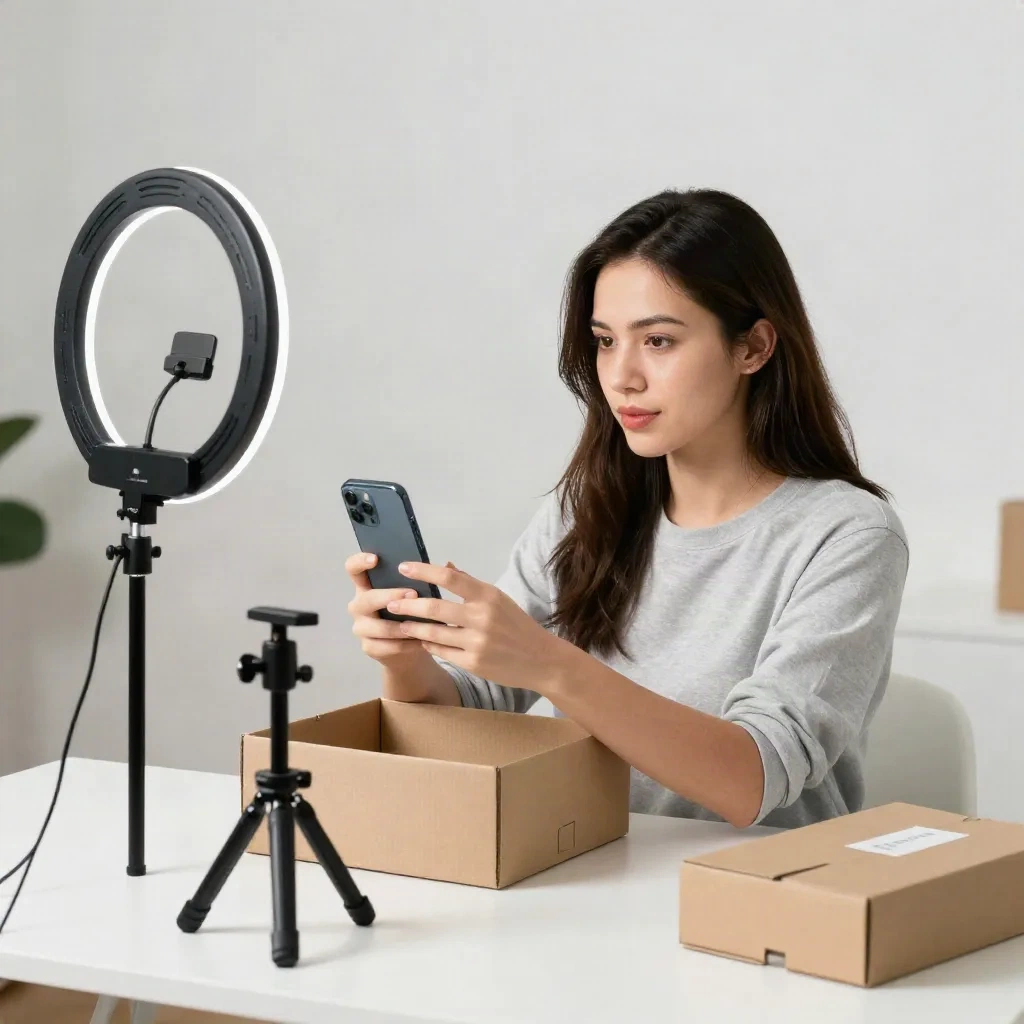
Film a test clip for a brand you already use and post it. This is your portfolio piece. Sign up on a UGC platform to receive paid briefs. Build a simple home setup: one phone, one ring light, one clean background. Total investment under $100.
If you are a marketing team deciding how to scale UGC production:
Start with human creators for your top-performing markets. Establish what converts.
Use AI avatar tools for secondary markets and localization. Test against human benchmarks.
Treat UGC as an asset library, not a one-off campaign. The value compounds over 90 days, not just week one.
Measuring Whether UGC Is Actually Working
The metrics that matter depend on where you are running it.
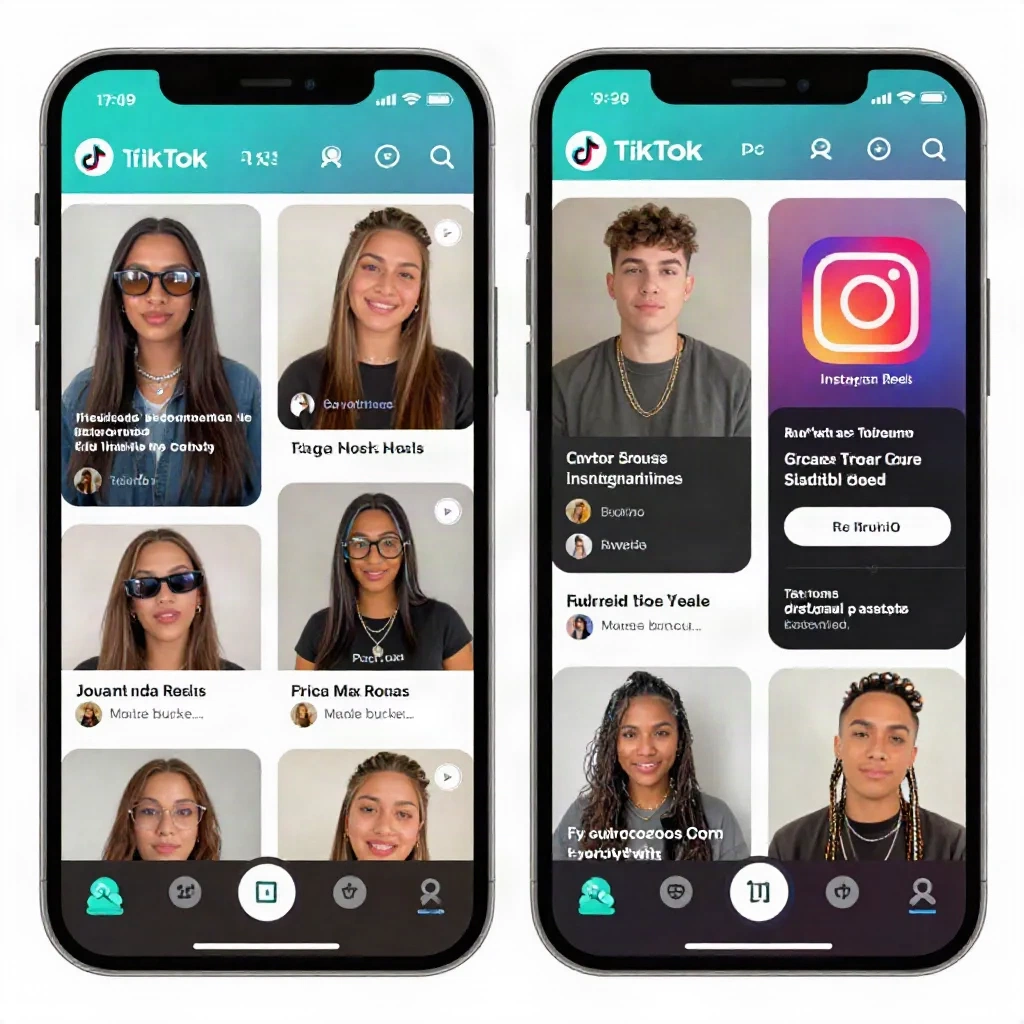
For paid social on Meta or TikTok, track hook rate (first 3 seconds retained), watch-through rate, and cost-per-click. UGC typically outperforms branded creative on hook rate by 20-40% in cold audience tests.
For organic social, shares and saves are the signal. Comments and likes are vanity metrics that do not predict distribution.
For product pages, measure conversion rate uplift and time on page. Bazaarvoice data puts the conversion rate for shoppers who engage with UGC at 161% higher than those who do not.
One pattern I see teams miss: they measure individual clip performance but do not track what the UGC library produces over 90 days. A clip that underperforms in week one sometimes finds its audience six weeks later as the algorithm re-tests it. Build your measurement window to match the asset lifecycle, not the campaign sprint.
What Brands Still Get Wrong in UGC Briefs
The most common mistake: asking creators to produce UGC that is clearly a scripted ad.
If the creator says "hi guys" and then reads a feature list, it does not convert. The audience pattern-matches it as an ad within two seconds and scrolls. What works is a creator who knows how to deliver a specific message while sounding like themselves.
That is a skill. Not everyone has it on camera. The creators who earn $300-500 per clip consistently have usually spent time on camera for their own content. They know how to make a scripted line sound like a thought they just had.
When briefing creators, give them the message you want conveyed, not the exact words. The delivery is theirs. The outcome is yours.
The next time you have a stack of scripts ready, run one human UGC test and one avatar rendering in parallel. The comparison gives you real data on where each format earns its place in your pipeline.