HeyGen vs Arcads : quel outil IA pour créer vos vidéos ?
Résumé
Comparatif HeyGen vs Arcads : deux outils d'avatars IA, deux briefs complètement différents. HeyGen, plateforme large : 175+ langues, export SCORM, doublage synchrone pour les équipes L&D. Arcads se concentre sur un besoin : transformer un prompt texte en acteur photorréaliste pour les annonces social media. Prix, création d'avatar, cas d'usage, langues : décodage sur le terrain.
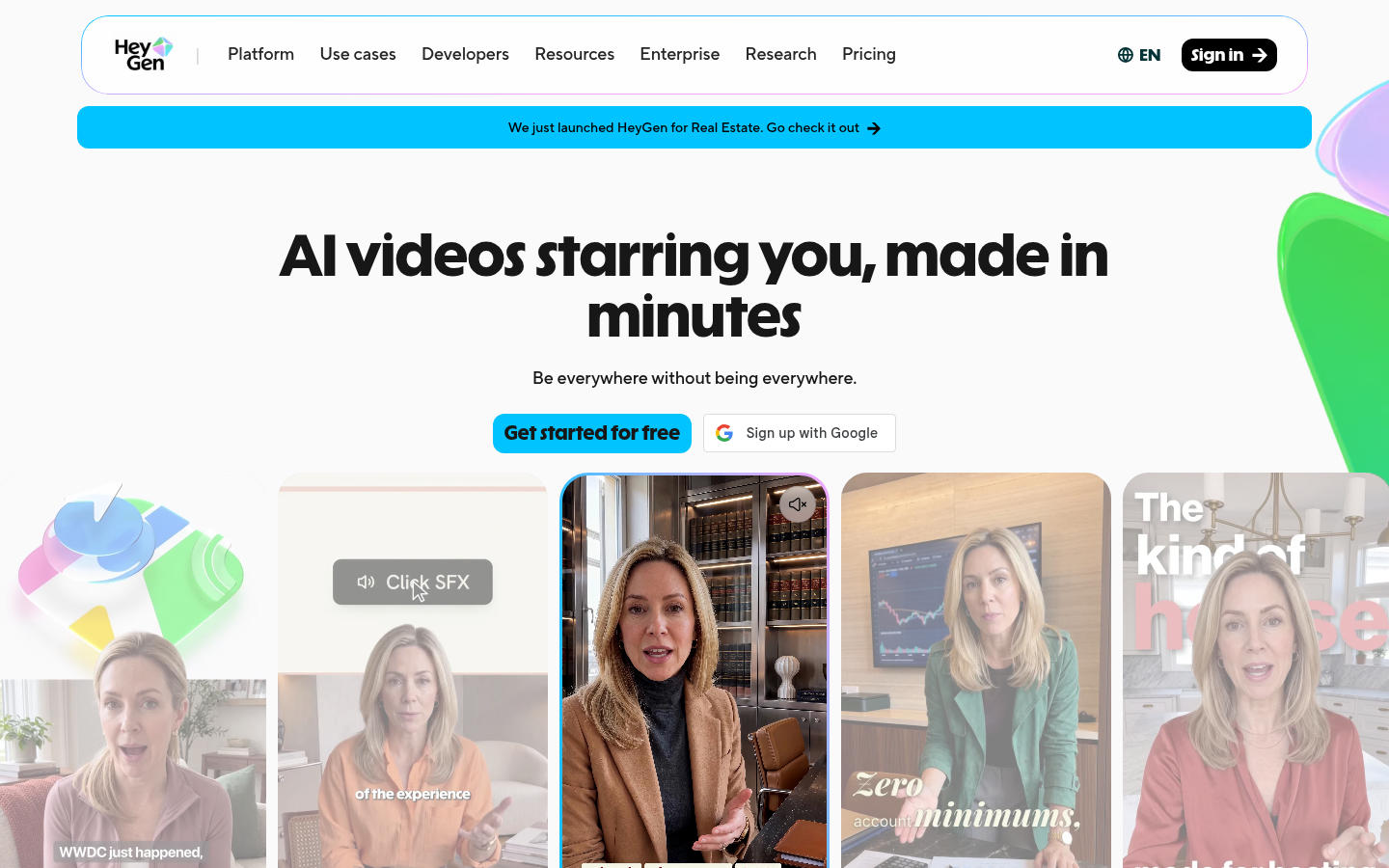
HeyGen
- 175+ langues et dialectes avec traduction vidéo doublée et lip-synced
- Export SCORM, quiz, et logique de branchement pour le contenu de formation
- Avatars photo illimités sur les forfaits payants, plus clonage vocal
- 4,8/5 sur G2 avec 1 880+ avis, un vrai signal de confiance à ce volume
- Le système de crédits devient coûteux rapidement dès que vous dépassez le forfait Créateur
- Pas conçu pour le workflow texte-vers-acteur scrappy que veulent les équipes d'annonces payantes
- Certains utilisateurs signalent du lag UI et un enregistrement lent sur les projets longs
Choisissez HeyGen quand le brief porte sur la formation ou le multilingue corporate, pas la création d'annonces.
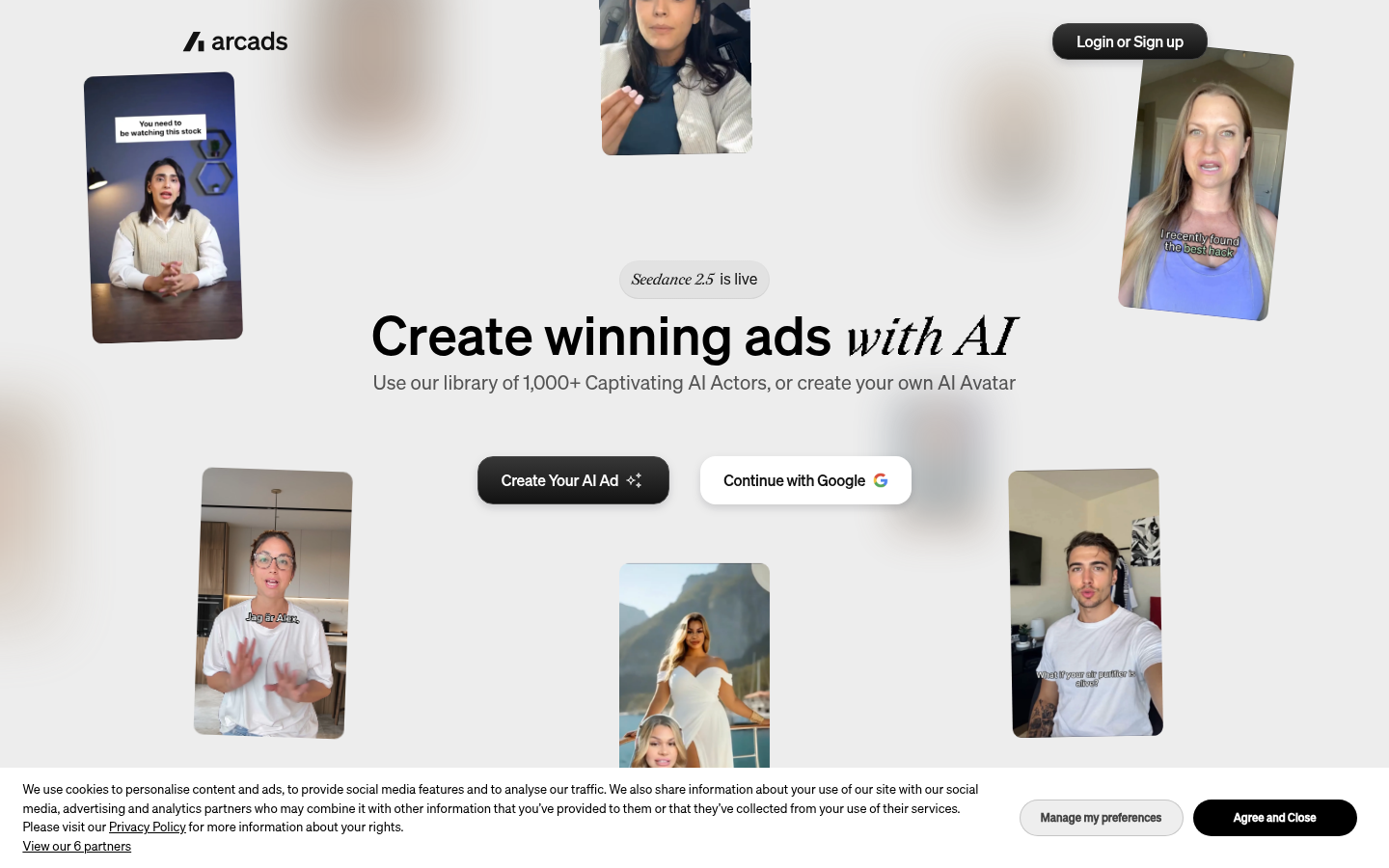
Arcads
- Génère un acteur photorréaliste à partir d'une description texte seule, pas de casting
- Le même acteur reste visuellement cohérent sur chaque variante d'annonce que vous produisez
- Entreprise française avec un angle RGPD qui résonne auprès des annonceurs européens
- Rendu de clips courts assez rapide pour itérer sur un script le jour même
- Pas de palier gratuit permanent, les forfaits commencent autour de $99/mois
- Certaines plateformes d'annonces signalent les acteurs UGC synthétiques, donc vérifiez la politique de divulgation d'abord
- La qualité de sortie dépend fortement de la qualité de votre prompt de description d'acteur
Choisissez Arcads quand le brief demande des annonces payantes social qui ressemblent à du vrai contenu créateur.
D'un coup d'œil
| HeyGen | Arcads | |
|---|---|---|
| Tarification de départ | Plan gratuit (3 vidéos/mois), Créateur $29/mois pour 600 crédits et export 1080p | À partir d'environ $99/mois forfait, pas de palier gratuit permanent, crédits d'essai disponibles |
| Comment obtenir votre acteur | Clonez votre propre visage ou choisissez un avatar stock parmi la galerie HeyGen | Décrivez un porte-parole en texte, recevez un acteur photorréaliste exclusif |
| Conçu pour | Vidéo de formation, cours SCORM, localisation corporate et multilingue | Annonces social payantes et création d'annonces UGC à volume |
| Langues supportées | 175+ langues et dialectes, doublage synchronisé aux lèvres intégré | Scripting d'abord anglophone, pas de moteur de doublage multilingue dédié pour l'instant |
| Note client | 4,8/5 sur G2 avec 1 880+ avis, l'une des notes les plus hautes de la catégorie | Pas de profil G2 grand public pour l'instant, retours solides de la communauté d'annonces payantes |
Verdict
Arcads remporte ce comparatif pour un seul besoin : produire des acteurs IA qui se lisent comme du contenu créateur authentique dans un flux d'annonces payantes. HeyGen est le meilleur choix si votre brief s'étend à des modules de formation, export SCORM, ou vidéo dans 175 langues. Aucun des deux outils ne remplace l'autre — ils sont conçus pour des briefs différents.
Méthodologie
On a comparé HeyGen et Arcads sur leurs pages de tarification publiques, les données d'avis G2 et Trustpilot, et un temps direct avec les deux workflows d'onboarding en août 2026. Nous avons testé la création d'acteur, photo clone contre texte-vers-acteur, évalué la profondeur des langues et du doublage, et recoupé les plaintes utilisateur sur Reddit et G2 en cherchant les patterns qui reviennent plus d'une fois plutôt que des griefs isolés. Les tarifs reflètent le forfait payant le plus bas pertinent de chaque éditeur à la date de ce texte, et les deux fournisseurs ajustent les crédits et limites régulièrement, donc vérifiez la page de tarification live avant de vous engager.
Pour ce comparatif heygen vs arcads avis, une seule question compte : vous produisez de la vidéo de formation et localisation, ou des annonces payantes style contenu créateur ? HeyGen remporte le comparatif pour la formation ou le multilangue. Arcads gagne si l'objectif est des annonces social payantes en style UGC. Ils ne sont pas en concurrence, juste conçus pour des pipelines différents.
Pourquoi le terme « HeyGen vs Arcads » confond dès le départ ? Les deux outils collent un avatar synthétique sur écran, et c'est là que s'arrête la ressemblance.
Pourquoi le terme « HeyGen vs Arcads » confond dès le départ ? Les deux outils collent un avatar synthétique sur écran, et c'est là que s'arrête la ressemblance.
HeyGen a commencé comme moteur de sosie numérique et de localisation. Vous clonez votre propre visage, ou choisissez un avatar stock parmi la galerie HeyGen, et la plateforme rend une vidéo de script dans 175+ langues avec un doublage synchronisé aux lèvres. C'est l'outil qu'un responsable de formation cherche quand 40 modules doivent sortir sur 6 marchés.
Arcads vient d'un tout autre angle : les annonces social payantes. Vous décrivez un porte-parole en texte, pas de casting, pas de tournage, et le moteur livre un acteur photorréaliste que vous possédez en exclusivité. Cet acteur porte n'importe quel script, dans n'importe quel décor, et reste visuellement cohérent sur chaque variante testée.
Cherchez « HeyGen vs Arcads » sur Google, vous trouvez deux outils qui mettent des avatars à l'écran, destinés à deux équipes de production très différentes.
HeyGen : force et limite d'une plateforme large
La force de HeyGen, c'est la polyvalence. Le moteur Avatar IV/V gère la vidéo parlante à partir d'une photo ou d'un avatar stock, et la plateforme empile des leviers construits pour des équipes, pas des solopreneurs.
175+ langues et dialectes avec doublage vidéo lip-synced
Export SCORM, quiz, logique de branchement pour la formation
Avatars photo illimités sur les plans payants, plus clonage vocal
4,8/5 sur G2 avec plus de 1 880 avis : c'est un signal réel, pas un chiffre marketing
Ce dernier point pèse lourd. Un score aussi élevé, avec ce volume d'avis, mérite du crédit. HeyGen s'est gagné une réputation auprès d'équipes qui ont besoin d'un workflow complet, pas juste un clip.
Le système de crédits est le point de friction. Le forfait Business s'élève à $149/mois plus $20 par siège, et une utilisation intense brûle les crédits très rapidement sur le plan Pro. Pour une équipe de formation qui produit des dizaines de modules chaque mois, c'est une ligne budgétaire à prévoir.
Arcads : résoudre un besoin très spécifique
Arcads traite un problème plus ciblé, et le résout directement : comment créer un porte-parole d'annonce sans engager un acteur réel.
Génération d'acteur texte-vers-vidéo, pas de casting ni de reshoots
Même acteur, même look, garanti cohérent sur chaque variante d'annonce
Disponible à la demande, pas d'emploi du temps d'acteur à négocier
Entreprise française, un angle RGPD/confiance qui résonne auprès des annonceurs euro
Le compromis, c'est l'étendue. Arcads ne tente pas d'être une plateforme de formation ou un moteur de doublage. C'est une boucle de production ciblée : script écrit, acteur généré, annonce testée, itération. Pour une agence qui diffuse des dizaines de variantes d'annonces par semaine, cette étroitesse est l'atout, pas une limite.
Le prix est la vraie barrière. Les forfaits commencent autour de $99/mois sans palier gratuit permanent, donc un utilisateur occasionnel paie plus d'emblée qu'avec le plan gratuit HeyGen.
Tarification : crédits vs abonnement plat
HeyGen affiche ses tarifs en crédits. Le gratuit vous donne 3 vidéos/mois jusqu'à 1 minute chacune. Créateur, $29/mois, ouvre 600 crédits et l'export 1080p. Business saute à $149/mois plus tarif par siège dès que vous avez besoin d'un SSO et d'une collaboration multi-utilisateur. Le plafond monte haut, tout comme la courbe d'apprentissage du système de crédits.
Arcads simplifie théoriquement : un tarif mensuel fixe commençant près de $99, avec des crédits d'essai pour tester avant de vous engager. Pas de palier gratuit pour rognotter si le budget se restreint, ce qui pèse pour un solo-créateur qui teste les eaux.
Aucun modèle n'est faux. Les crédits HeyGen se dimensionnent vers un budget de hobbyiste ; le forfait plat Arcads se scale proprement pour une agence en volume. Les deux outils ne se concurrencent pas sur la même ligne de budget.
Déroulez les chiffres sur un mois réel : un solo-créateur posant trois clips avatar par semaine rentre dans le forfait HeyGen Créateur à $29/mois sans cogner le plafond de crédits. Une agence testant quinze variantes d'annonce par semaine pour un seul client épuisera ce même forfait en jours, et se rapproche du $99/mois Arcads une fois le temps économisé par rapport à la gestion manuelle des crédits.
Synchronisation audio-visuelle, qualité de sortie, où chacun a ses accrocs
On a examiné G2, Trustpilot, et les fils Reddit pour détecter les patterns qui reviennent, pas les plaintes isolées.
La synchronisation lip-sync HeyGen sur 175 langues est un vrai atout, et la qualité du doublage tient dans la majorité des avis. La plainte récurrente : lag UI et enregistrement lent sur les projets longs, le type de friction qui surgit quand vous éditez une vidéo de formation de 20 minutes, pas un clip de 30 secondes.
La génération d'acteur Arcads se lit comme photorréaliste dans la plupart des sorties d'exemple, et la cohérence visuelle sur variantes d'annonce est justement le levier pour lequel les annonceurs paient. L'accroc récurrent : la qualité de sortie dépend beaucoup de la qualité de votre prompt d'acteur. Un prompt vague produit un acteur générique ; un prompt précis produit quelque chose de plus proche d'un vrai porte-parole.
Aucun des deux outils ne supprime la question de la divulgation. Certaines plateformes d'annonces signalent déjà les acteurs UGC synthétiques, donc vérifiez la politique avant de scaler une création autour d'un des deux outils.
La vitesse de rendu vaut un mot aussi. Les clips Arcads sont courts par conception, généralement sous une minute, et s'affichent assez vite pour itérer sur un script l'après-midi même où vous l'écrivez. Les vidéos HeyGen plus longues pour la formation mettent plus longtemps, en partie parce qu'il y a plus à traiter, et en partie parce que l'étape de packaging SCORM ajoute sa propre durée. Alignez l'outil sur le tempo réel de votre production.
Qui se sert de quel outil
Solo YouTubeur ou TikToker sans visage : les forfaits HeyGen gratuit et Créateur sont le chemin le moins cher, et la galerie d'avatars couvre bien le format talking-head.
Manager L&D produisant 40 modules avec le budget pour 10 : l'export SCORM et le doublage 175 langues HeyGen résolvent le vrai goulot, c'est la localisation, pas la qualité d'avatar.
Annonceur social testant des variantes d'annonces : la boucle texte-vers-acteur Arcads est taillée pour exactement cela, générant des variantes assez vite pour tester au rythme des annonces sociales.
Agence produisant des annonces UGC pour plusieurs clients : les acteurs Arcads exclusifs et cohérents résolvent le problème « qui distribuons-nous casting cette semaine » que la vraie production UGC crée.
Le cas de chevauchement est étroit : une équipe ayant besoin de vidéo de formation ET d'annonces créatives va probablement maintenir deux abos, pas un. Ce n'est pas un échec des deux produits, c'est un signal que la catégorie n'a pas consolidé.
La structure tarifaire suit la même logique. Le tarif par siège du forfait Business HeyGen a du sens une fois qu'une équipe de formation a plusieurs éditeurs qui touchent à la même vidéothèque. Arcads n'a pas de tarif par siège : un abonnement couvre tous les acteurs et scripts qu'un solo-annonceur peut produire, ce qui s'adapte mieux à un workflow agence qu'un modèle de siège corporate ne le ferait.
Test avant de choisir
Les deux plateformes vous laissent tester avant de payer un mois complet : le palier gratuit HeyGen, les crédits d'essai Arcads. La prochaine fois que vous avez un script prêt, lancez l'onboarding des deux avant de décider. Trente minutes en mains propres en diront plus que n'importe quel tableau de specs, y compris celui-ci.