Meilleur générateur vidéo IA 2026: Kling vs Veo vs Runway
Résumé
Comparatif complet des meilleur générateurs vidéo IA 2026. Kling AI domine sur la qualité cinématique et le contrôle caméra au prix. Veo gagne quand tu as besoin d'audio natif dans le même rendu. HeyGen couvre l'avatar parlant, pas la génération de scène. Sora ferme ses portes, voici par quoi le remplacer.
Comparatif du meilleur générateur vidéo IA 2026: sept outils analysés sur prix, audio natif, qualité du mouvement et limites de rendu. Kling AI gagne sur cinéma par euro.
D'un coup d'œil
| Kling AI | Google Veo | Runway | Hailuo AI (MiniMax) | Luma Dream Machine | Pika | HeyGen | |
|---|---|---|---|---|---|---|---|
| Offre payante d'entrée | $10 à $15/mois Pro (offre gratuite disponible) | $19,99/mois via Google AI Pro, ou $0,40/sec sur l'API | $12/mois Standard, 625 crédits/mois | $9,99 à $14,99/mois Standard | $30/mois Individual Plus, 10 000 crédits | $8/mois Standard, pas de watermark | $29/mois Creator, 600 crédits |
| Type de génération | Texte ou image vers scène | Texte ou image vers scène | Texte ou image vers scène, plus édition frame-by-frame | Texte ou image vers scène | Texte ou image vers scène, workflow d'agents multi-assets | Texte ou image vers scène, toolkit d'effets stylisés | Script vers avatar parlant (pas génération de scène) |
| Audio natif dans le rendu | Non, visuel uniquement | Oui, dialogue et effets sonores générés avec le clip | Non, pass audio séparé requis | Non, visuel uniquement | Non, visuel uniquement | Non, visuel uniquement | Oui, voix lip-sync et dialogue |
| Sortie max | 1080p, clips jusqu'à 10 secondes | Jusqu'à 4K, cap de 8 secondes par génération | Jusqu'à 4,5K via Gen-4.5, gatée par crédits | 1080p, longueurs de clips standard | Modèles Ray3.2/Ray3.14, sortie campagne multi-assets | 1080p, clips jusqu'à 10 secondes | 1080p à 4K, vidéos avatar jusqu'à 30 minutes |
| Capacité remarquable | Contrôle caméra (pan, zoom, dolly) au prix abordable | Audio et visuel générés ensemble en un seul pass | Un abonnement, plusieurs modèles, plus vrais outils d'édition | Mouvement physiquement plausible (textile, liquide) à prix économe | Les Agents Luma planifient et génèrent un set d'assets complet, pas un clip | Toolkit Pikaffects pour transformations rapides et stylisées | Plus de 175 langues avec dialogue lip-sync et export SCORM |
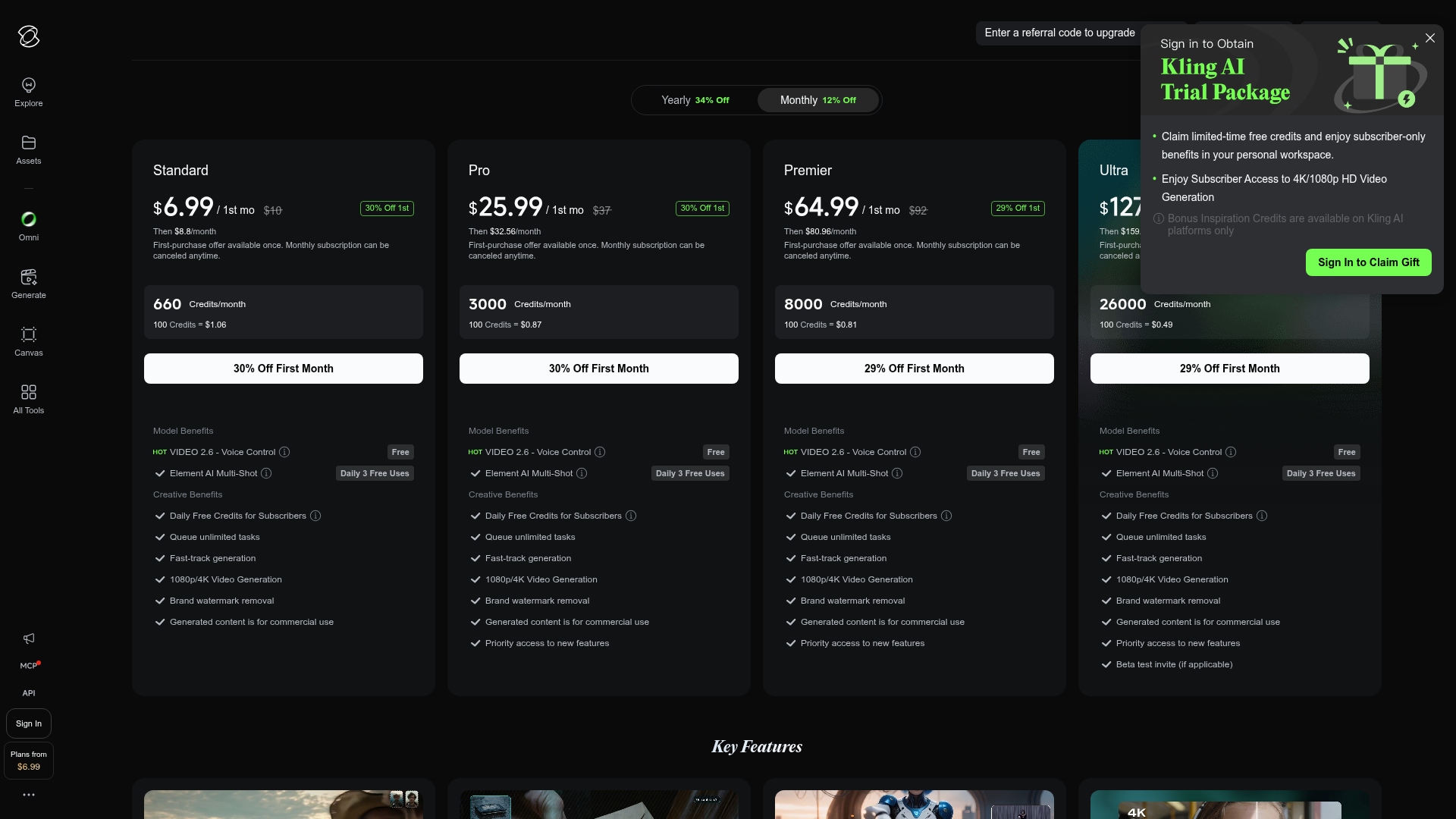
Kling AI
- Contrôle caméra (pan, zoom, dolly) tient tête aux outils deux fois plus chers
- L'offre gratuite est assez généreuse pour tester un vrai workflow de prod
- Kling 3.0 ne se fait pas distancer par Veo sur la qualité cinématique
- La vidéo image anime une photo fixe de façon convaincante
- Pas d'audio natif, donc tu as quand même besoin d'un pass son séparé
- L'interface et la doc sentent moins polis que les concurrents occidentaux
- La queue de génération ralentit aux heures de pointe sur l'offre gratuite
La meilleure qualité de mouvement au euro près, avec le contrôle caméra qui le prouve.
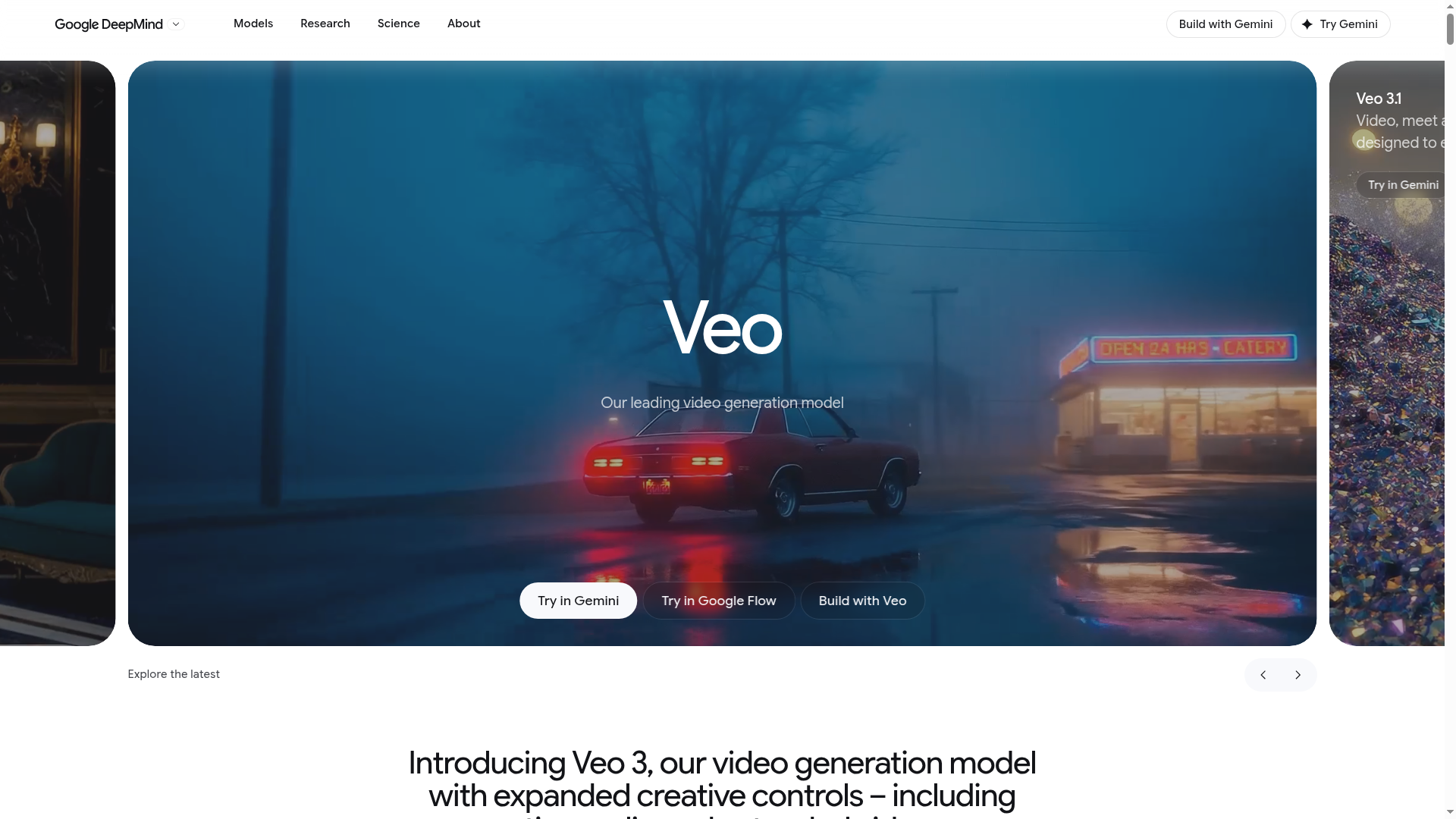
Google Veo
- Audio natif, dialogue, son ambiant et effets sonores dans le même rendu
- Mouvement physiquement plausible et forte adhérence au prompt
- Intégration profonde sur l'app Gemini, Flow, AI Studio et Vertex AI
- Cap de 8 secondes te force à stitcher pour du plus long
- Les tarifs API à la seconde s'accumulent rapidement au-delà de quelques clips
- L'accès grand public passe par un abonnement Google AI payant
Le seul outil ici qui résout audio et visuel dans un seul pass de génération.
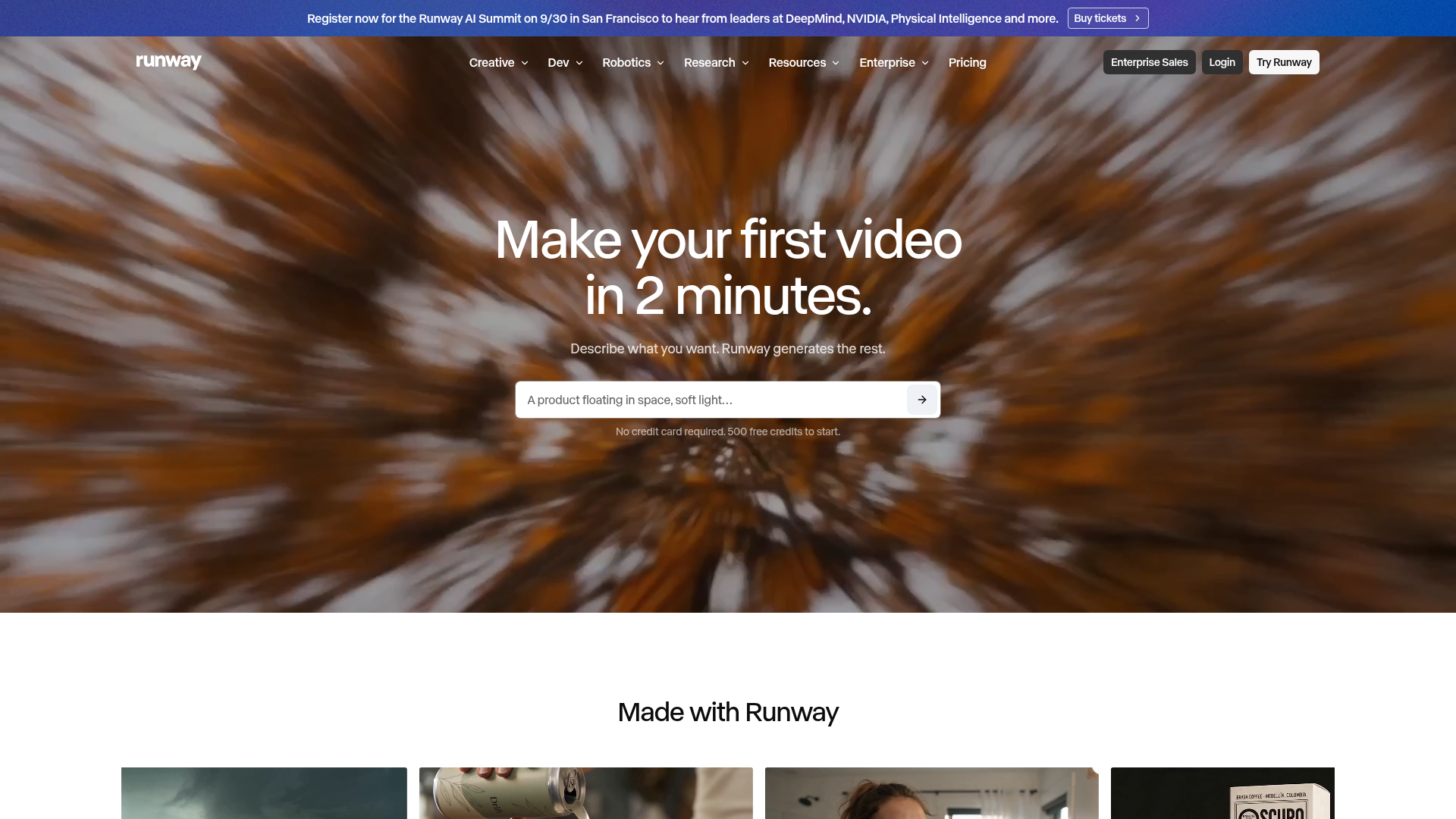
Runway
- Un abonnement te sort Kling 3.0, Veo 3.1 et Seedance 2.0
- Aleph 2.0 fait l'édition frame-by-frame après la génération du clip
- Runway Agent gère la génération bout à bout à partir d'une conversation
- Les crédits brûlent vite sur des clips longs en résolution 4K ou 4,5K
- La largeur d'outils ajoute une vraie courbe d'apprentissage pour les nouveaux
Le meilleur choix quand tu préfères gérer un abonnement plutôt que cinq.
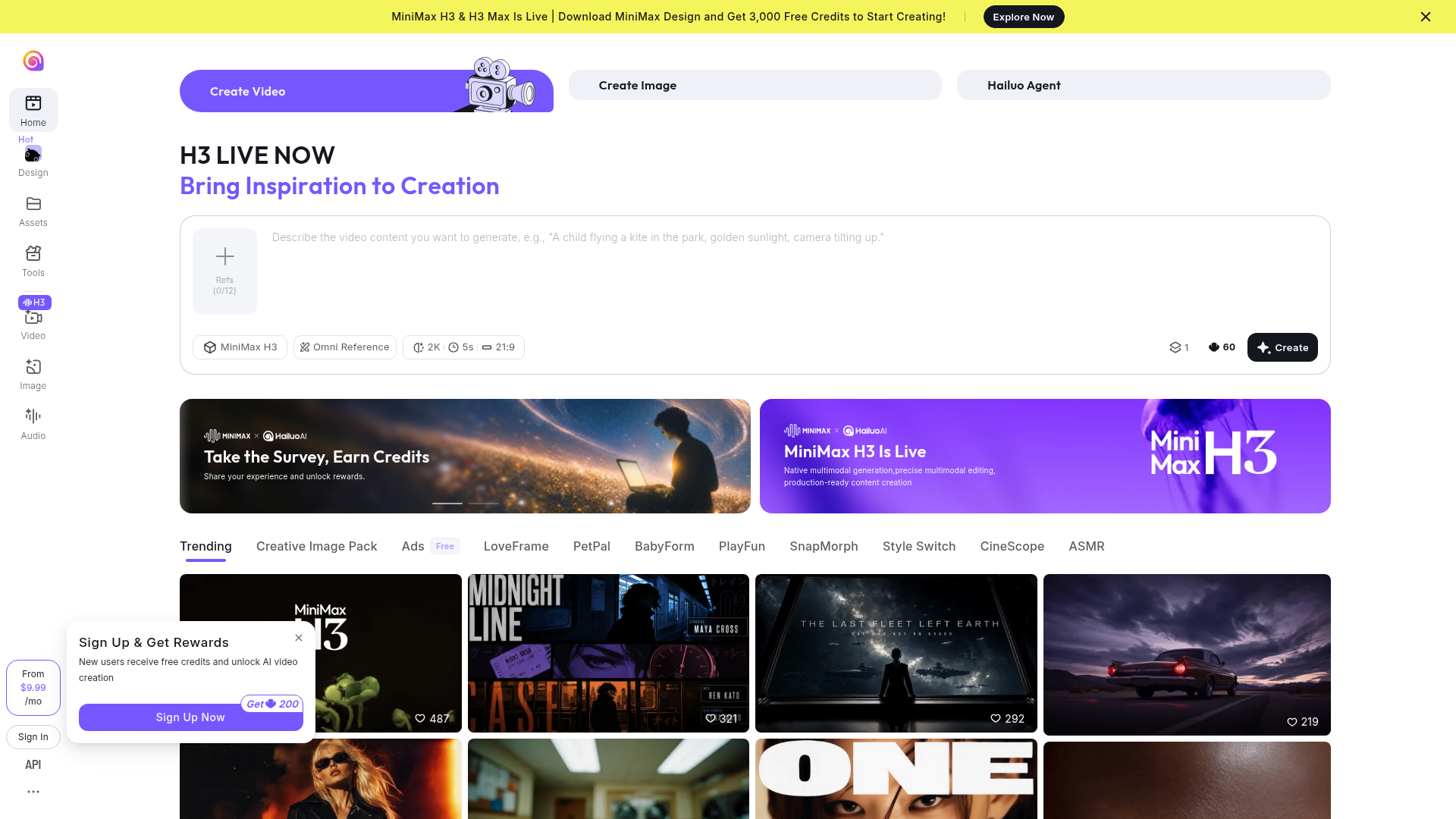
Hailuo AI (MiniMax)
- Le tarif d'entrée casse ceux de Runway et Luma de large
- Gère la physique complexe, objets qui tombent, liquides, textile, de façon convaincante
- Le modèle Hailuo 2.3 Fast coupe encore le coût de génération en lot
- La reconnaissance de marque traîne Kling et Runway chez les clients
- L'interface et la doc portent encore une localisation anglaise brute
Le choix valeur quand le volume de rendu compte plus que le nom.
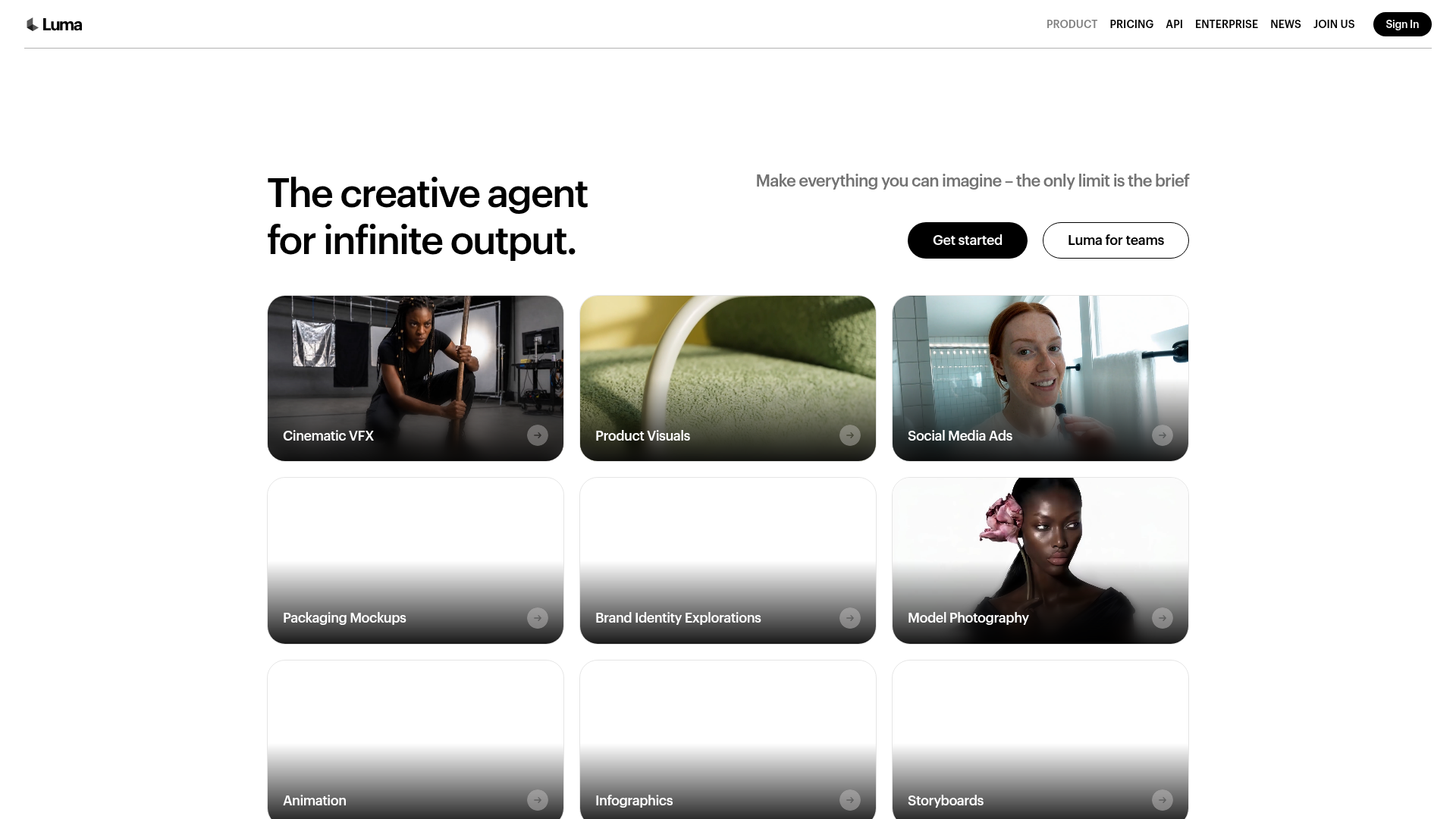
Luma Dream Machine
- Luma Agents planifient et génèrent vidéo, stills et storyboards ensemble
- Le contexte partagé entre les étapes garde une campagne entière cohésive visuellement
- Fort sur les visuels produit et la génération de variantes publi au scale
- Le tarif d'entrée à $30/mois c'est raide pour tester une seule idée
- Les jobs multi-step menés par l'agent brûlent les crédits vite
Pensé pour une campagne, pas un clip isolé, et tarifé en conséquence.
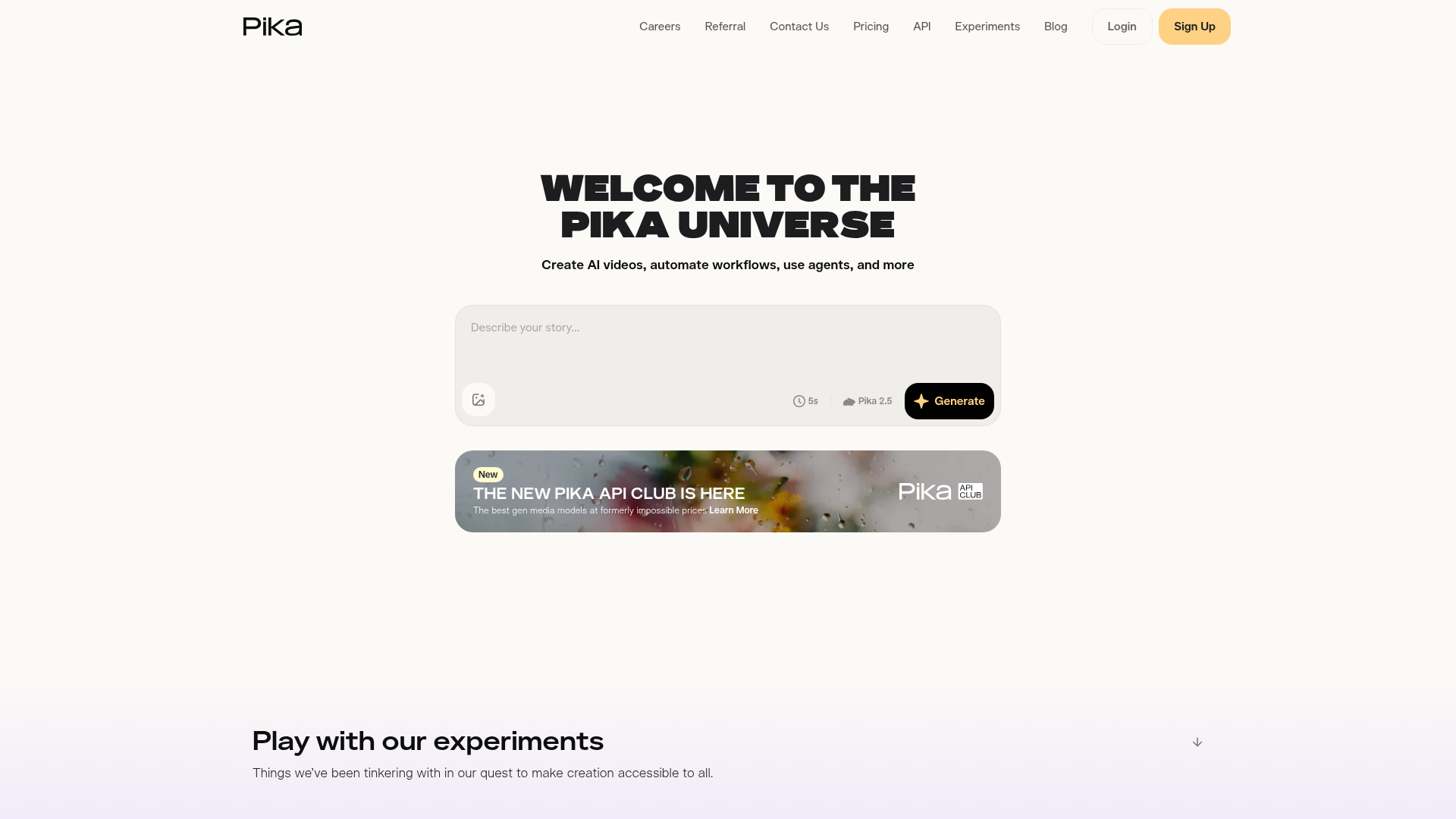
Pika
- Pikaffects, Pikatwists et Pikadditions livrent des transformations que personne d'autre n'emballe aussi net
- L'offre payante la moins chère de ce classement à $8/mois
- Pika Agent et Pika MCP permettent la génération menée par chat
- L'offre gratuite cap à 480p et porte un watermark visible
- Le branding effects-first vend sous le poids comme capable la sortie cinématique pur
Le chemin le plus rapide vers un clip partageant et stylisé pour les feeds sociaux.
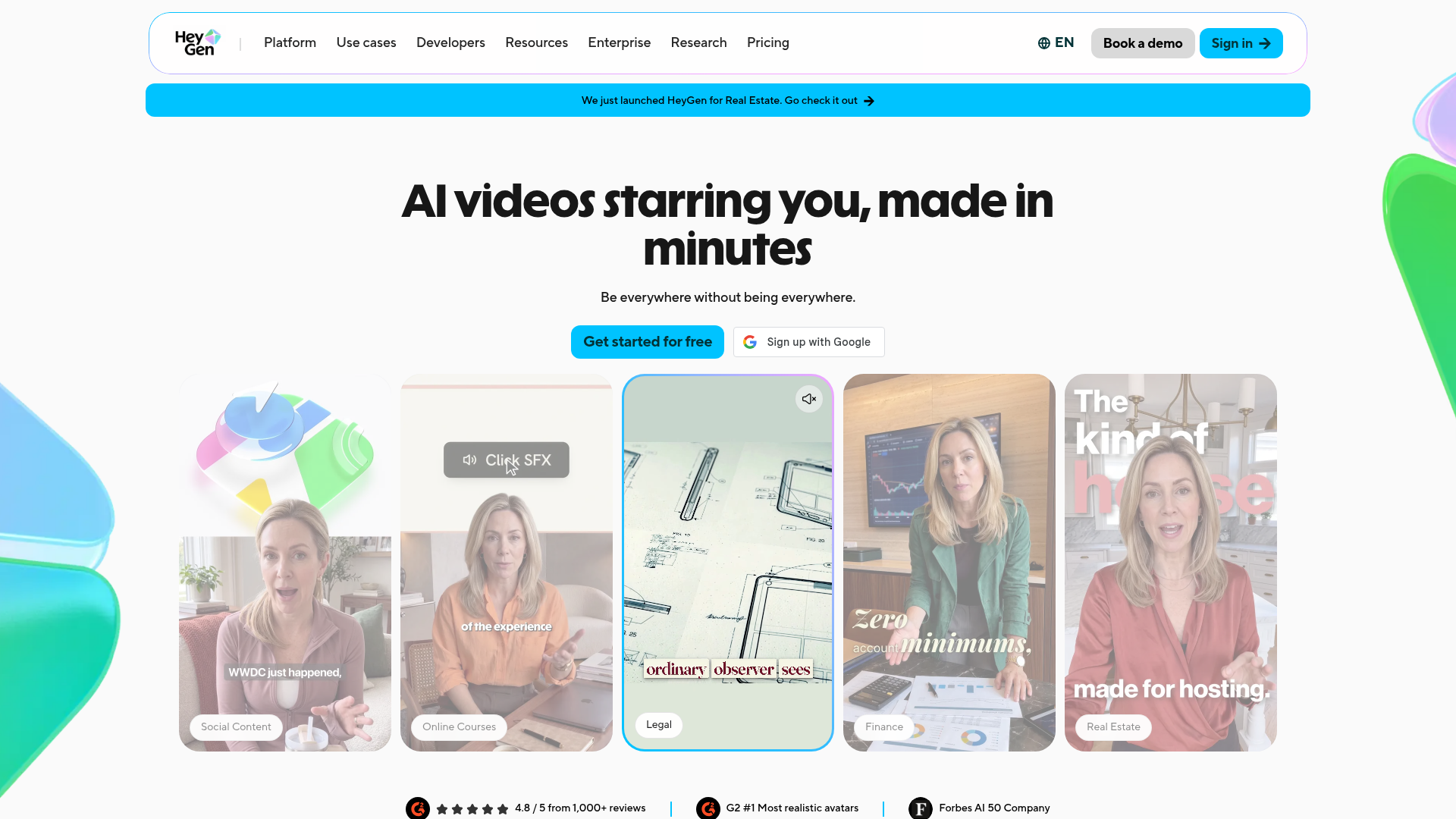
HeyGen
- Plus de 175 langues et dialectes avec vidéo lip-sync traduite
- Export SCORM, quiz et branchement pensés pour la L&D et la formation
- G2 le rate 4,8/5 sur plus de 1 880 avis
- Résout un problème différent de la génération de scène, pas un substitute Kling ou Veo
- Le système de crédits devient cher au volume sur les offres Pro et Business
Pas un générateur de scènes. Le choix quand ton goulot c'est présenter, pas filmer.
Verdict
Kling AI rafle la victoire globale sur la qualité du mouvement et le contrôle caméra au euro dépensé, Veo tout près pour quiconque a besoin d'audio natif dans le rendu. Runway et Luma couvrent les cas multi-modèles et multi-assets. Hailuo et Pika c'est le budget et les picks d'abord sociaux. HeyGen est en dehors du classement par design : c'est un outil script-vers-avatar, pas un générateur de scènes, et sa place c'est dans le même pipeline que ces sept plutôt que rival.
Méthodologie
On a puisé les tarifs actuels des offres, les allocations de crédits, les caps de résolution et les limites de durée directement dans les pages tarifaires publiées de chaque éditeur en septembre 2026, vérification croisée des coûts API à la seconde séparés des abonnements grand public puisque les deux produisent des totaux très différents au volume. Les affirmations sur qualité du mouvement, contrôle caméra et physique ont été vérifiées contre les benchmarks indépendants 2026 et les retours de créateurs plutôt que prises de la seule prose marketing de l'éditeur. Sora a été exclu de la liste classée parce que les dates de fermeture confirmées par OpenAI (app : 26 avril 2026 ; API : 24 septembre 2026) en font une impasse pour les nouveaux workflows de prod, pas un jugement de qualité.
Kling AI gagne ce classement sur la fidélité du mouvement et le contrôle caméra par euro dépensé. Google Veo deuxième quand tu as besoin d'audio généré dans le même pass que l'image. HeyGen c'est l'exception : il génère des avatars parlants, pas des scènes. Le meilleur générateur vidéo IA 2026, c'est le bon choix pour ce que tu dois produire.
En 2026, « meilleur générateur vidéo IA » ne veut plus dire une seule chose
Il y a deux ans, une seule réponse : une boîte de texte, un bouton rendu, un clip. En 2026 ça se scinde en deux vraies catégories. Les générateurs de scènes (Kling, Veo, Runway, Luma, Hailuo, Pika) transforment un prompt ou une image fixe en mouvement : plans B, shots produit, effets stylisés. Les générateurs d'avatars (HeyGen, Synthesia, D-ID, Tavus) transforment un script en vidéo de personne qui parle à la caméra, lip-sync, dans des dizaines de langues.
Tu produis du contenu sans visage, des plans B pour pub, ou des clips sociaux ? Tu veux un générateur de scènes. Tu produis des modules de formation, des explainers, ou une chaîne avec un présentateur sans devoir te filmer ? Tu veux un outil d'avatars. Les deux catégories sont classées ici parce que la plupart des équipes de prod finissent par en utiliser une de chaque, pas en choisir une seule.
Comment on a comparé ces sept outils
On a puisé les prix courants, les résolutions max, les limites de durée et le support audio natif directement dans les offres publiées par chaque éditeur en septembre 2026. Quand un éditeur expose une API, on a noté le coût à la seconde séparé de l'abonnement grand public, parce que les deux modèles de prix produisent des totaux très différents au volume. Les affirmations sur la qualité du mouvement et le contrôle caméra sont vérifiées contre les benchmarks indépendants et les retours de créateurs, pas juste la prose de vente du fournisseur. Quand un produit a changé de structure tarifaire ou a été arrêté en cours d'année, on l'a signalé au lieu de le laisser de côté en silence.
Pourquoi Sora et Seedance 2.0 ne sont pas classés ici
Sora mérite une mention parce que beaucoup de créateurs ont construit des workflows dessus au début 2026. OpenAI a fermé l'app grand public le 26 avril, et l'API Sora suivra le 24 septembre, dix jours avant la publication de cette page. Si ton pipeline appelle encore l'API Sora, remplace-le maintenant : la date est fixée, ce n'est pas une rumeur.
Seedance 2.0, le modèle de ByteDance, est cité constamment dans les classements 2026 pour les storyboards multi-shots et le traitement du dialogue. Il n'est pas encore dans notre catalogue produit, donc pas noté ici avec la même rigueur sur le prix et les pros/cons que les sept ci-dessous. Ça vaut le coup de le tester en direct si le storyboard multi-shot c'est ton cas d'usage principal ; on l'ajoutera en comparaison complète une fois qu'on l'aura passé par les mêmes critères que le reste du classement.
Générateurs de scènes : ce qui les sépare vraiment
Kling AI mène ce classement parce que son contrôle caméra (pan, zoom, dolly) et sa cohérence de mouvement résistent au prix ($10 à $15/mois en Pro) qui casse la plupart des concurrents occidentaux. Kling 3.0 c'est le concurrent direct de Veo et du Sora maintenant arrêté pour la sortie cinématique, et l'offre gratuite est assez généreuse pour tester un vrai workflow de prod avant de payer.
Le différenciant de Veo c'est l'audio. Il génère le dialogue, le son ambiant et les effets sonores dans le même pass que la vidéo, ce qui veut dire pas d'outil audio séparé, pas de sync manuel. Cette commodité coûte cher en API : $0,40 à la seconde en 1080p s'accumule vite passé quelques clips, et le cap de 8 secondes par génération te force à stitcher pour du plus long.
Runway c'est plus vraiment un seul modèle. C'est un abonnement qui te sort Kling 3.0, Veo 3.1 et Seedance 2.0 dans une seule interface, plus Aleph 2.0 pour l'édition frame-by-frame après coup. C'est le pitch pour les équipes qui ne veulent pas gérer cinq abonnements séparés et cinq pipelines d'export différents.
Hailuo, le modèle de MiniMax, c'est le choix économe. Le tarif d'entrée démarre sous $15/mois, et il est spécifiquement loué pour la physique (textile, liquide, objets qui tombent) qui fait patiner les concurrents bon marché. La reconnaissance de marque traîne derrière Kling et Runway, ce qui c'est le seul vrai reproche si la crédibilité client compte plus que le rendu.
Luma Dream Machine a restructuré son produit entier autour de Luma Agents : au lieu d'un clip par prompt, ça planifie et génère un ensemble d'assets coordonnés (vidéo, stills, storyboards) qui partagent un contexte. C'est pensé pour une équipe marketing qui lance une campagne, pas un solo créateur qui teste une idée, et le tarif d'entrée $30/mois reflète ça.
Pika reste le chemin le plus rapide pour un clip stylisé partageant. La toolkit Pikaffects (squish, melt, costume swap) produit le genre de transformation novelty qui performe sur TikTok et Reels spécifiquement, même si le modèle Pika 2.5 est plus capable d'une sortie cinématique pure que le branding suggère.
HeyGen : l'exception avatar sur ce classement
HeyGen ne rivalise pas avec les six outils ci-dessus sur la génération de scènes. Il rivalise sur transformer un script en vidéo portrait parlant : un avatar construit à partir d'un selfie ou d'une librairie stock, lip-sync dans plus de 175 langues, avec export SCORM pour les plateformes de formation. Ton goulot c'est « j'ai un script mais pas le temps de le filmer », HeyGen (ou ses rivaux directs Synthesia et D-ID) résout un problème différent de ce que Kling ou Veo feront jamais.
On l'a inclus ici parce que les recherches « meilleur générateur vidéo IA » remontent constamment des outils d'avatars, et les traiter comme la même catégorie que Kling ou Veo crée une liste confuse, pommes avec oranges. C'est pas des compétiteurs. C'est deux outils de production différents qui souvent se retrouvent dans le même pipeline : Kling pour les plans B, HeyGen pour le présentateur qui coupe dedans.
Quel outil pour quel workflow de prod
Un créateur solo qui publie quotidiennement veut de la vitesse et une offre gratuite indulgente : Pika ou Hailuo. Une équipe brand qui lance des campagnes coordonnées a besoin du workflow agent de Luma ou de la polyvalence multi-modèles de Runway. Tout le monde qui produit des plans cinématiques au budget reste sur Kling. Tout le monde qui a besoin du son généré avec l'image, sans stitcher un pass audio séparé, arrive à Veo. Et tout le monde dont le vrai goulot c'est transformer les scripts en présentateurs, pas transformer les prompts en scènes, saute toute cette catégorie et va droit à HeyGen.
Le prochain script que tu as prêt, lance-le dans deux de ces trucs au lieu d'un. L'écart entre « génère le shot » et « génère le shot qui te sauve vraiment une étape de montage » se voit que quand tu compares les rendus côte à côte.